The Kitchen Habit Quietly Inflating Your Grocery Bill
You blame the prices. You blame the brands. But the most expensive thing in your kitchen is usually the food you bought, forgot, and quietly threw away.
Here is an uncomfortable thought to carry into your next shop: a meaningful slice of what you spend on food never gets eaten. It gets bought with good intentions, shuffled to the back of a shelf, and binned a week later, still half-wrapped. You did not overpay at the till. You overpaid afterward, in the quiet space between buying food and actually using it.
That gap is where grocery budgets leak. And the habits driving it are so ordinary that almost nobody notices them — which is exactly why they are so expensive. None of this is about being frugal or eating worse. It is about stopping money from walking out with the rubbish.
1. You shop without a plan — and often while hungry
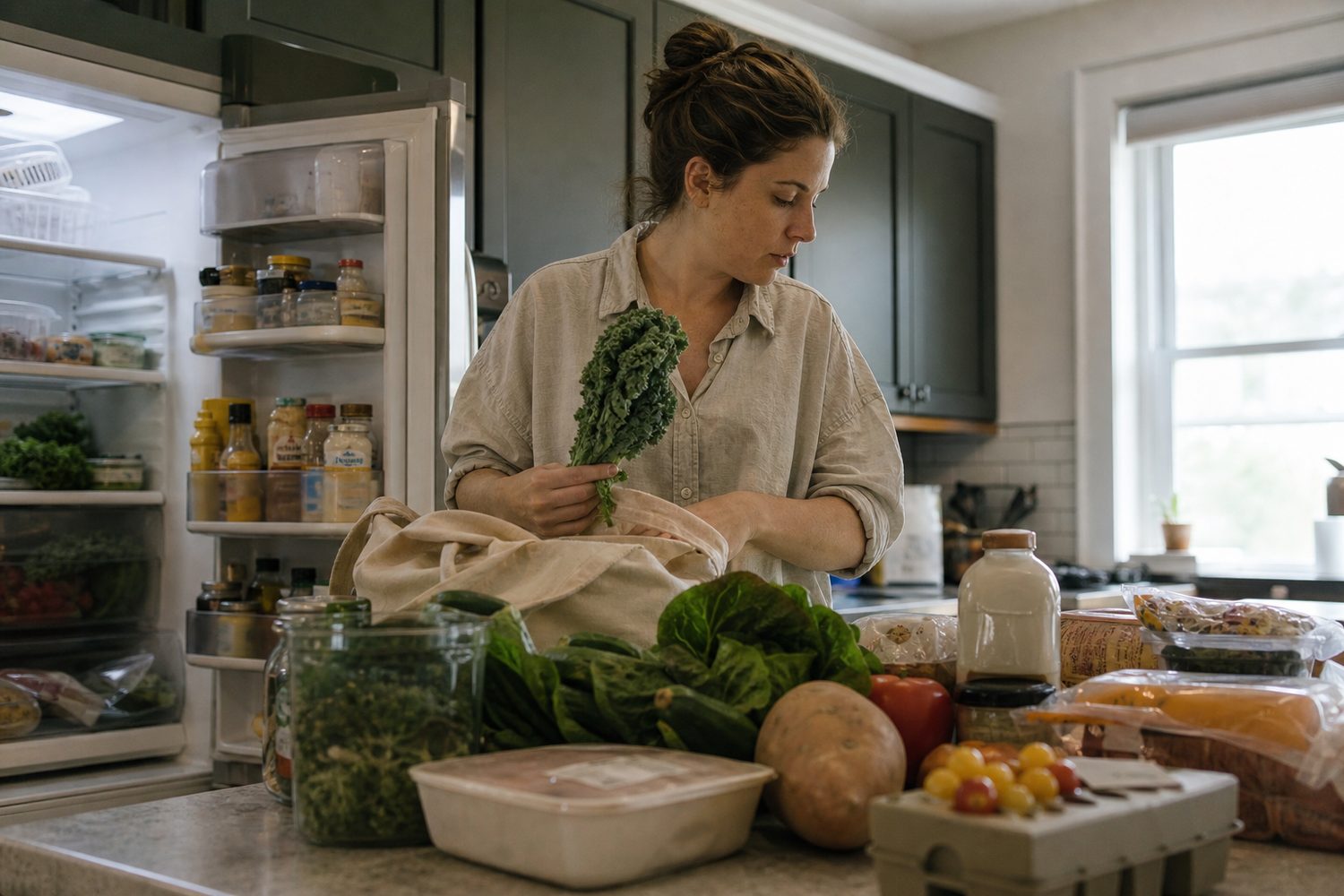
Walking into a supermarket with no list is like opening a tab with no limit. You buy for a version of yourself who will cook every night, eat every leftover, and turn that bunch of kale into something. That person rarely shows up. What shows up is a fridge full of optimism with a short shelf life.
Shopping hungry makes it worse. An empty stomach is a terrible budget advisor. Everything looks good, the snacks land in the trolley, and the meal you actually needed ingredients for gets forgotten entirely. A rough plan for three or four real meals — built around what you already own — does more for your bill than any coupon.
The cheapest food in your kitchen is the food you remember to eat before it goes off. Everything else, no matter how good the deal was, eventually costs full price plus the bin.
2. The “best before” trap
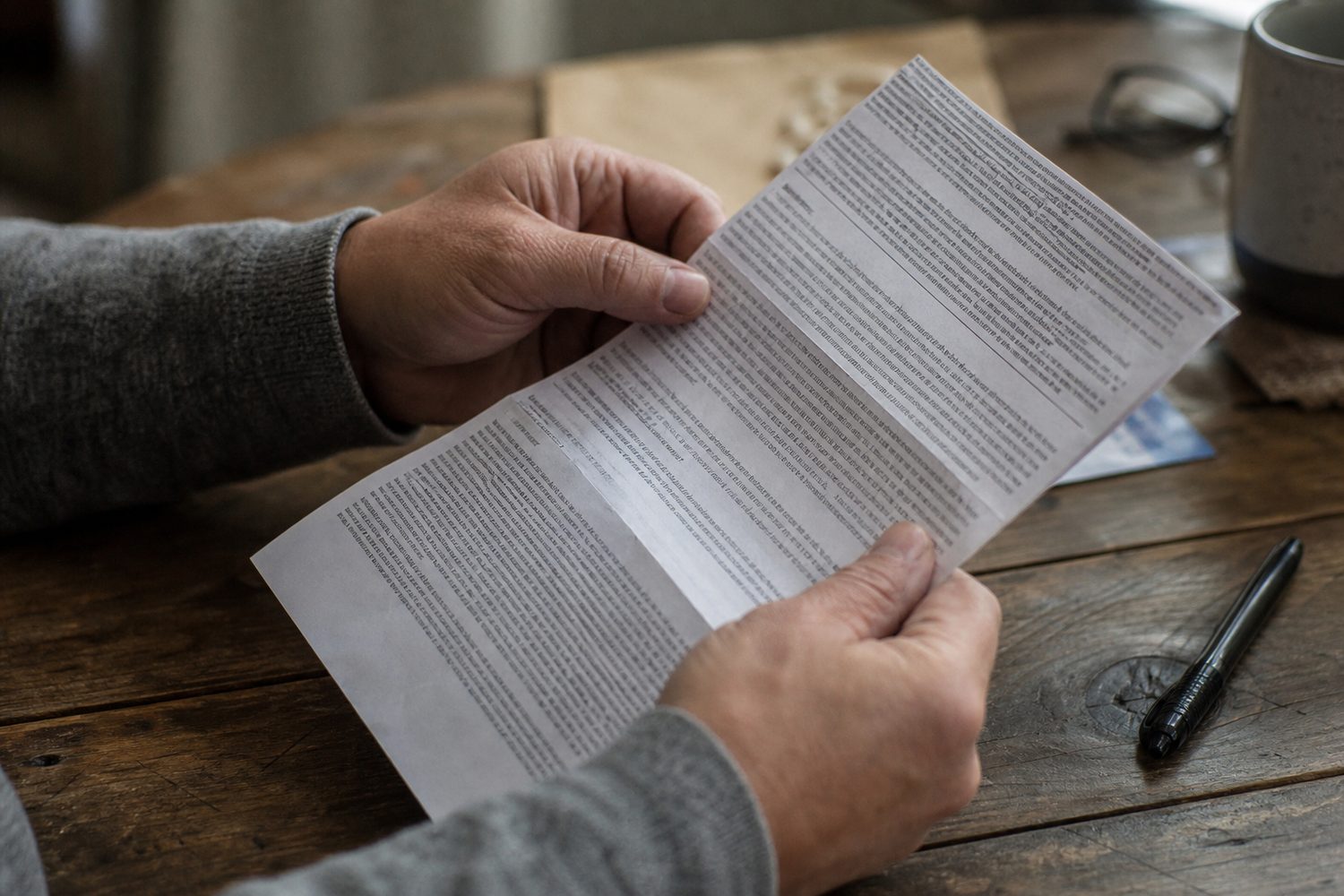
This one quietly costs households a fortune, because most people treat two very different labels as the same warning. They are not.
Use by is about safety. It appears on things like fresh meat, fish and ready meals, and once that date passes, the food can genuinely make you ill — so respect it. Best before is about quality, not safety. It tells you when something stops being at its peak, not when it becomes dangerous. Dried pasta, tinned beans, crackers, flour, most cheeses: these are routinely fine well past the printed date. They might lose a little crunch or flavour. They will not harm you.
Yet millions of perfectly edible items get binned the morning a best-before date rolls over, on instinct, unopened. Learn the difference between the two labels and a surprising amount of “expired” food turns out to be dinner.
One label, two meanings
Use by = a safety line. Don’t cross it. Best before = a quality suggestion. Use your eyes and nose, not just the calendar.
3. An overstuffed fridge is a forgetting machine
A packed fridge feels reassuring — proof you are prepared. In practice it is a place where food goes to hide. When every shelf is crammed, the items at the back become invisible, and invisible food does not get eaten. It gets discovered, fuzzy and unrecognisable, during a clear-out you did not plan to do.
There is a cold-air reason too: an over-packed fridge struggles to circulate properly, so things spoil faster than they should. But the bigger problem is simply visibility. You cannot eat what you cannot see. A fridge with a little breathing room is one where last night’s leftovers are still staring at you tonight — which is exactly the point.
4. Bulk buying what you can’t finish
The big-pack deal is one of the most convincing illusions in any supermarket. Three for the price of two. The family-size bag. The warehouse haul. Per unit, it is cheaper. Per household, it is only cheaper if you actually eat all of it before it turns.
A bargain you throw away is not a bargain. It is a more expensive version of the small pack, with extra steps. Bulk works brilliantly for things that keep — rice, tinned goods, frozen veg, toilet roll. It backfires on fresh produce, bread, dairy and anything with a clock on it. The question is never “is this cheaper per gram?” It is “will this be eaten?”
5. No “eat first” shelf, no leftover plan
Most fridges have no order to them. Food gets stacked wherever it fits, new shopping lands in front of old, and the oldest items quietly rot at the bottom while fresher ones get used first. The result is a slow, invisible churn of waste.
The fix is almost embarrassingly simple. Pick one shelf, or one box, and call it the eat-first zone. Anything close to turning goes there. Leftovers go there. When you are deciding what to cook, you look there before you look anywhere else. It is not a system so much as a habit — but it quietly rescues the exact food that would otherwise have been thrown out.
Leftovers deserve the same respect. A portion that gets labelled and frozen becomes a free future dinner. The same portion shoved into a bowl with no plan becomes science by Thursday. The food is identical. Only the habit is different.
Start this week
You do not need a meal-prep overhaul or a colour-coded fridge to claw this money back. Pick two small things and let them run.
Before your next shop, spend five minutes looking at what you already have and write a list around it. At the till, skip any fresh bulk deal you cannot honestly picture eating. When you get home, clear a single shelf, label it “eat first,” and put the soonest-to-expire items there. And the next time a best-before date passes on something dry or tinned, look at the food before you trust the print.
None of this is dramatic. That is the point. The grocery bill that quietly inflates is fixed by habits that just as quietly deflate it — one forgotten vegetable, one rescued leftover, one mislabelled jar at a time.